
Marine drone filming is very different from standard aerial filming. Capturing footage around vessels, harbours, marinas, ports and coastal operations requires more than a good drone and a strong eye for visuals. It needs planning, safety awareness, maritime understanding and the ability to work around environments that can change quickly.
For businesses in the marine and maritime sector, drone footage can be extremely valuable. It can show the scale of a vessel, the movement of an operation, the layout of a harbour or the setting of a coastal project in a way that ground-level filming cannot. But because marine environments are active, unpredictable and often safety-sensitive, the filming process needs to be handled carefully from the start.
Marine Environments Are Always Moving
One of the biggest differences with marine drone filming is movement. Vessels, tides, weather, light and working crews can all change during a shoot. Unlike filming a static building or controlled location, there may be limited opportunities to capture the right moment.
A vessel launch, port movement, sea trial or coastal operation may only happen once. If the timing is missed, the shot may not be repeatable. That makes preparation essential. The filming team needs to understand the schedule, the movement of the subject and the best points in the operation to capture the footage.
Good marine drone videography is not only about reacting quickly. It is about knowing what is likely to happen next and planning the filming approach around it.
Safety and Permissions Matter
Drone filming around water, vessels and working sites needs a clear safety-first approach. Depending on the location, there may be airspace considerations, landowner permissions, harbour authority requirements, site rules, crew coordination or restricted areas to consider.
This is especially important in ports, shipyards, marinas, offshore settings and industrial waterfront locations. The drone should never interfere with operations, distract crews or create unnecessary risk.
A professional approach means assessing the environment before filming begins. Weather, wind, take-off locations, landing points, people, obstacles, flight paths and emergency procedures all need to be considered. The aim is to capture strong footage without compromising the safety or flow of the operation.
The Footage Needs to Feel Credible
Marine and maritime audiences can usually tell when content has been created by someone who does not understand the environment. Footage may look attractive, but if it misses the important details or presents the operation in the wrong way, it can feel generic.
Specialist marine drone filming should capture both the visual impact and the operational reality of the subject. For example, a vessel is not just an object to film from above. Its movement, purpose, crew, surrounding conditions and environment all matter.
The same applies to ports, harbours, marine engineering projects and coastal operations. The footage should help viewers understand what is happening, why it matters and how the environment shapes the work.
Drone Footage Works Best With Ground Filming
Marine drone filming is powerful, but it is often strongest when combined with ground video, photography, interviews and editing. Drone footage can establish the location and show scale, while ground-level filming captures people, detail, equipment, process and atmosphere.
For a marine business, this combination can create a much more complete piece of content. A drone shot might show a vessel leaving harbour, while ground filming captures the crew, preparation, onboard detail or client-facing story. Together, the content becomes more useful for websites, PR, exhibitions, investor updates, social media and stakeholder communication.
This is why we approach marine drone filming as part of a wider visual production process. The drone is an important tool, but the final content needs to serve the message, audience and commercial goal.
FPV Can Add a More Immersive View
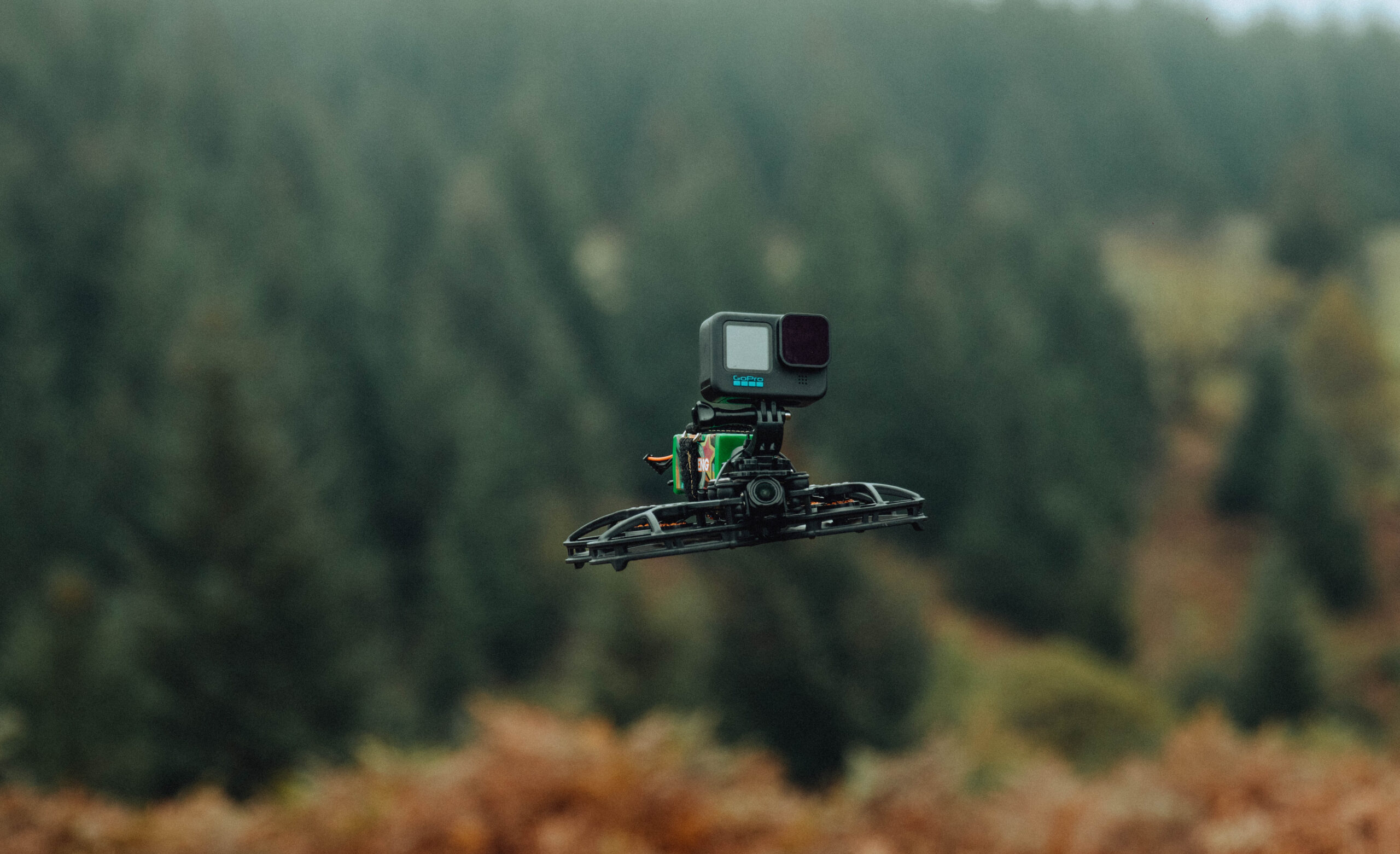
For some marine projects, FPV drone filming can add a more dynamic perspective. FPV can move closer to the action, travel through spaces and create a stronger sense of movement. This can work well for vessel flythroughs, marina content, launch films, industrial sites and promotional campaigns where the viewer needs to feel more immersed in the environment.
However, FPV also requires careful planning. Routes, obstacles, people, wind, access and safety all need to be considered before the shot is attempted. Used properly, FPV can help bring maritime environments to life in a way that standard drone footage cannot.
The best approach is to choose the right filming method for the purpose of the content. Sometimes a controlled aerial shot is the right choice. Sometimes FPV adds impact. Often, a mixture of drone, FPV and ground filming creates the strongest final result.
Marine Drone Filming Supports More Than Marketing
Marine drone filming is often used for promotional films, but its value goes further than marketing. It can support launch communications, project updates, recruitment, training, investor presentations, stakeholder engagement, PR, broadcast support and internal documentation.
For complex marine organisations, visual content can help explain work that might otherwise be difficult to describe. Aerial footage can show location, movement and scale quickly, helping audiences understand the importance of the project without needing to be physically present.
This is especially useful for maritime innovation, autonomy, engineering, port operations, marine infrastructure and vessel-based projects where the environment is a key part of the story.
Choosing a Marine Drone Filming Team
When choosing a team for marine drone filming, businesses should look beyond the ability to capture attractive aerial footage. The right team should understand planning, permissions, safety, movement, timing and the wider purpose of the content.
Different View is based in Plymouth and works across the UK, creating drone-led visual content for maritime, industrial, broadcast and complex environments. By combining drone filming, FPV, ground video, photography and post-production, the team helps marine organisations communicate their work clearly and professionally.
Marine drone filming works best when it is planned around the environment and shaped around the message. Done properly, it can turn vessels, ports, coastal operations and technical projects into content that feels cinematic, credible and commercially useful.
Talk to us about marine drone filming for your next maritime project.


